

Applications · Landscaping
Artificial grass that stays part of the landscape design.
Public plazas, campuses, retail and residential developments.
Specify a surface for the way the space will be used, with the documents to back it.
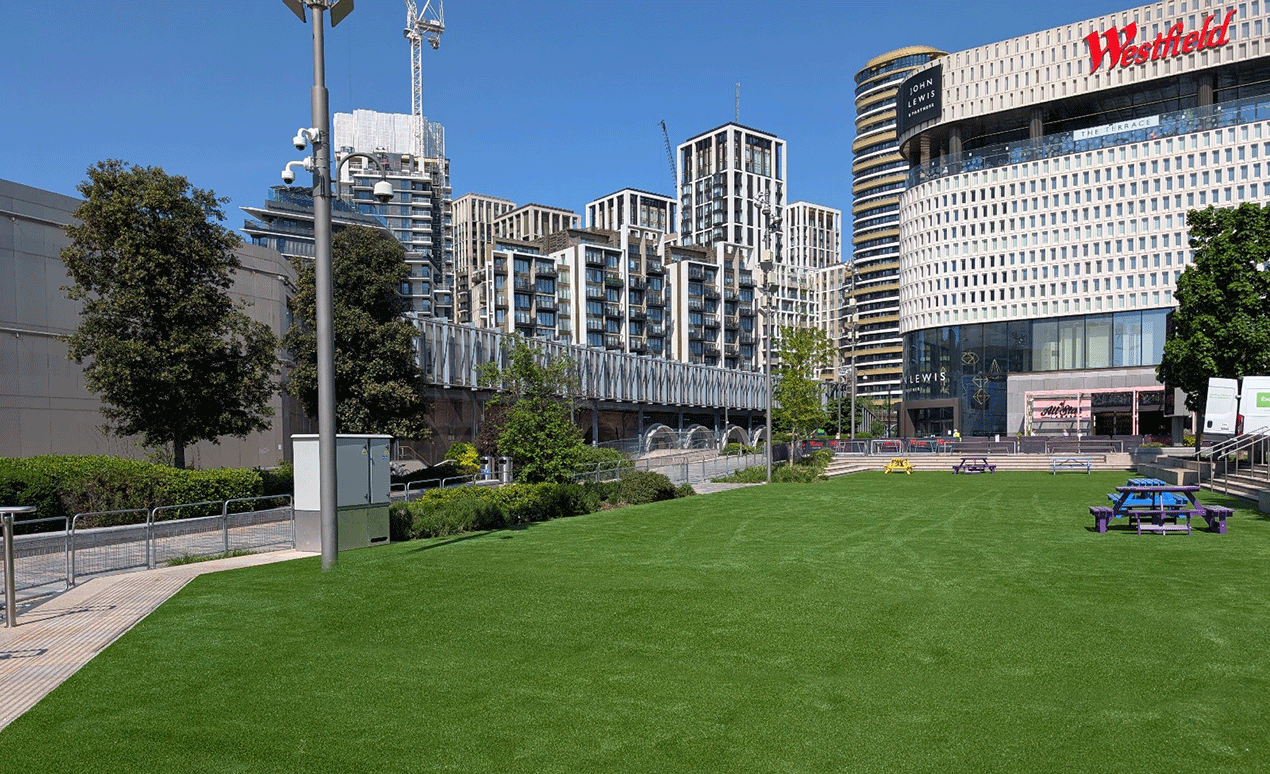
What matters
A landscape surface is a construction.
The surface is the part people see. The decisions underneath decide how it performs.
Use intensity
Foot traffic, events and the maintenance regime decide the product and the build-up.
Drainage and base
Falls, sub-base and drainage are designed per site, together with the surface.
Project documentation
Product data, test results and installation guidance belong in the project file from the start, so they are ready when the project goes out to bid.
Products
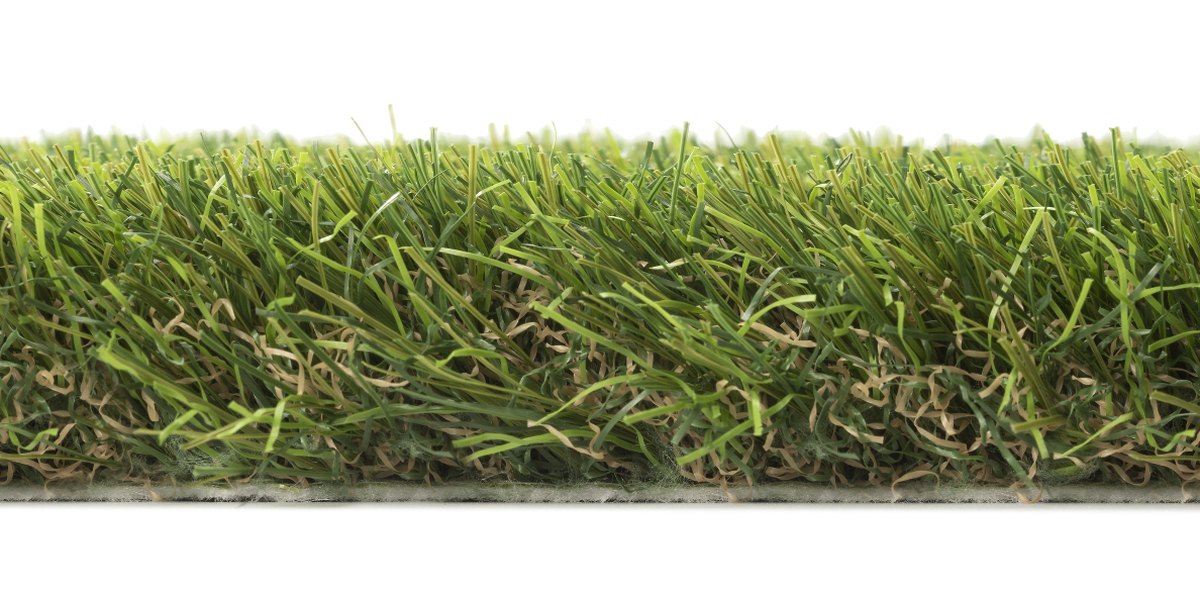
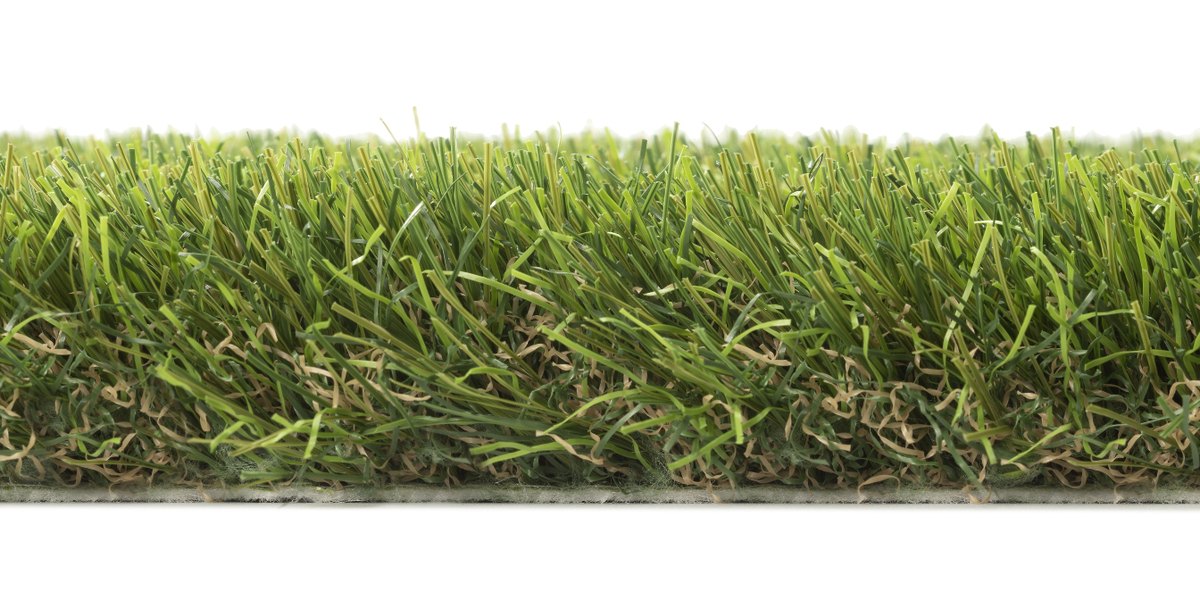
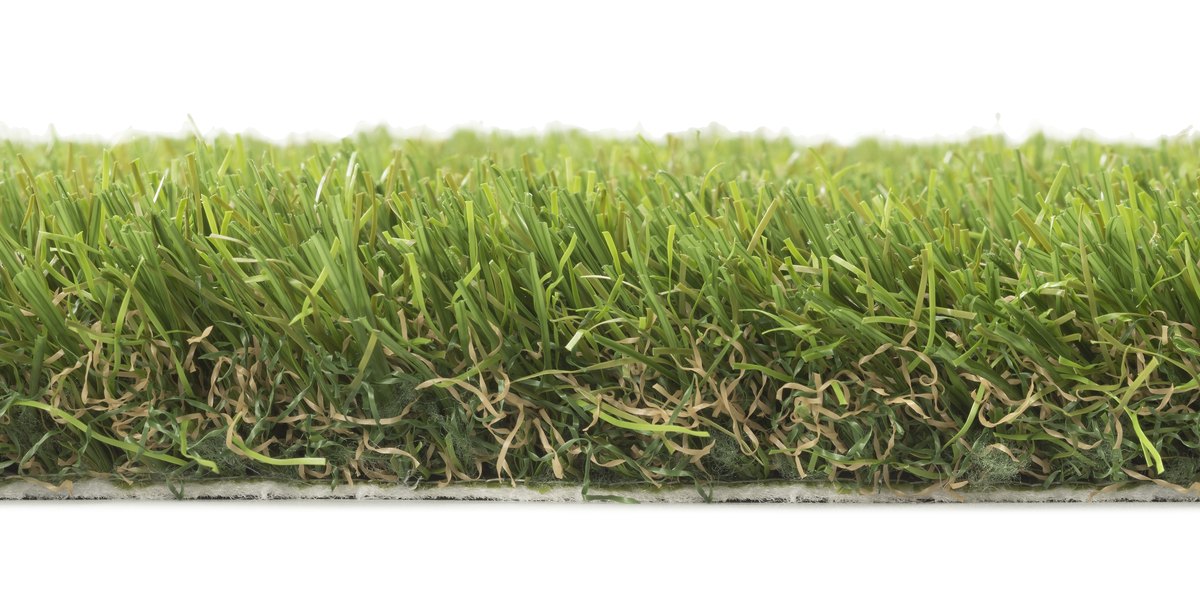
Four surfaces for landscape projects.
All four are available in 100% PE or 100% PO. Test results are stated per product. The material route is confirmed per product and project.
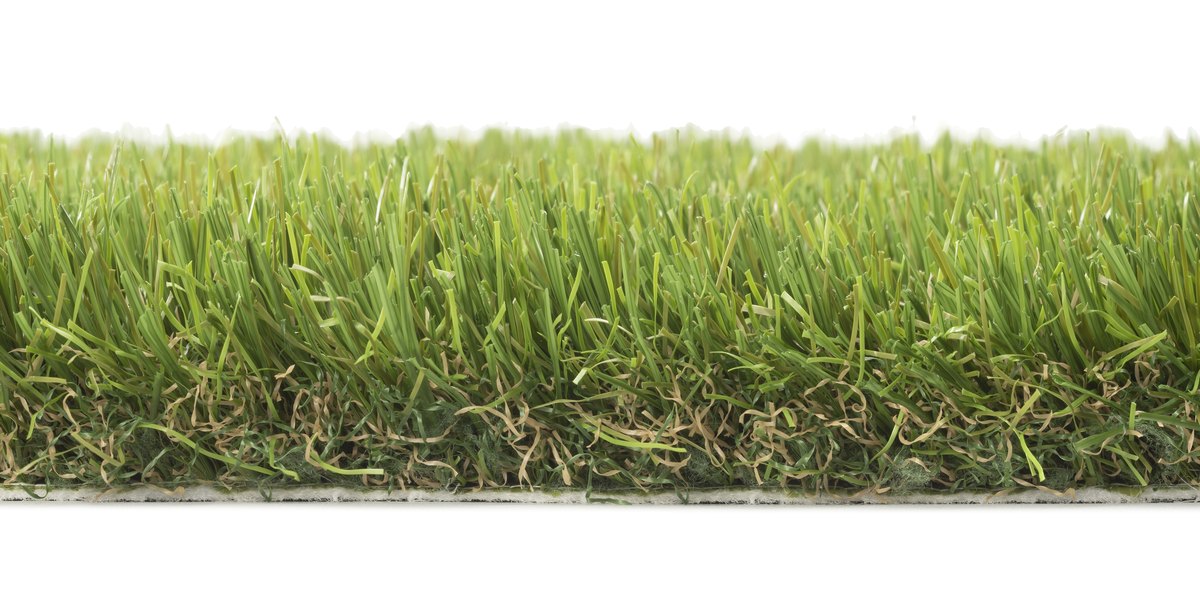
Before you specify
What to put in the project file.
A checklist for specifiers, consultants and procurement teams.
Every result belongs to a product and build-up. Ask for the reports that match the project.
Can artificial grass be used in public spaces?
Yes, in plazas, campuses and commercial projects. In the US, rules for artificial grass in public spaces are often set by the city, county or water agency, so check local rules early, together with drainage, fire and accessibility. Then specify the full build-up, not only the surface.
A documented test of ONE-DNA™ turf to EN 12616 recorded a water permeability of at least 650 l/min/m². Current ONE-DNA™ product lines share the same water-permeable construction. The measured value applies to the tested turf. How quickly a finished installation drains also depends on the base, the drainage design and local conditions.
Which product suits a high-traffic area?
That depends on foot traffic, the maintenance regime and the look the design needs. In regions with snow, ask how snow will be cleared. Share the expected use with us before you choose.
Is there an EPD for ONE-DNA™ landscape products?
Earlier EPDs, published through MRPI, cover five 100% PE products from an earlier production site, modules A1 to A3. EPDs for current production are not yet published. Ask us which document applies to the product you specify.
How is ONE-DNA™ different from conventional artificial grass?
Each product is developed for what its application has to do. Fiber and backing are joined by heat, without a conventional latex or polyurethane coating, in one material route per product. Life cycle assessment is part of development, and every product is designed for recycling. How it works →