

Applications · Gardens
A lawn for the garden you actually use.
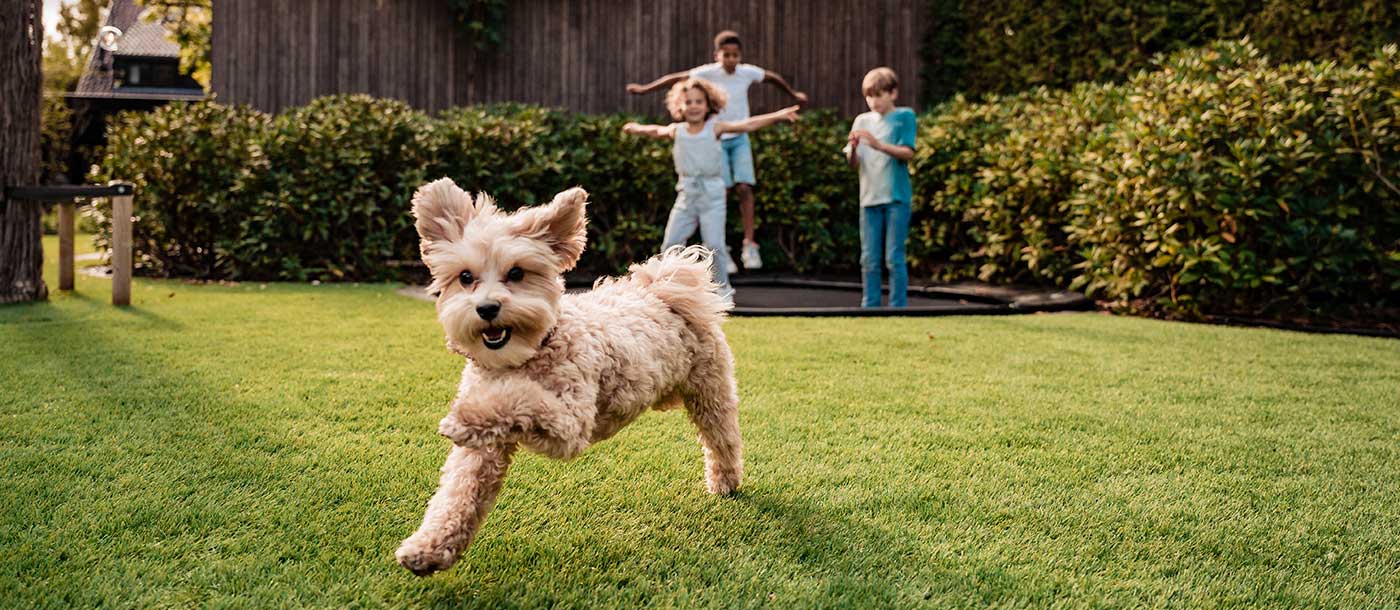
Children, dogs, garden furniture and British weather.
Choose a lawn that looks right on day one, and know what it is made of.
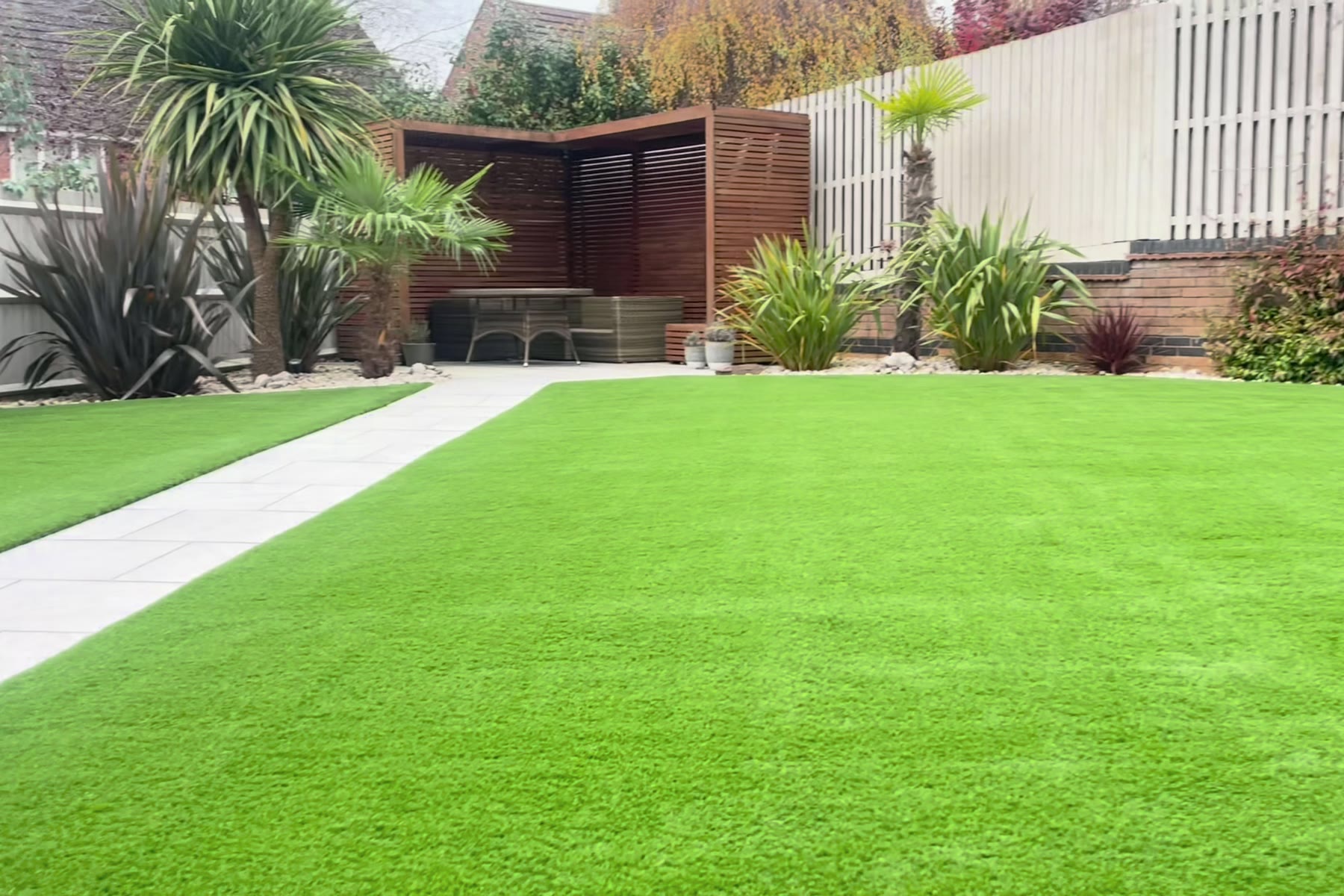
What matters
Three things a garden lawn has to get right.
A lawn is judged on how it looks. It lasts because of what you cannot see.
- Look and feelPile height, colour and fibre shape decide how natural the lawn looks, and how it feels underfoot.
- DrainageRain has to leave the surface quickly. That depends on the product and on the base built underneath it.
- Everyday wearFurniture, play and pets. The right pile and a careful installation keep the lawn looking even.
Products
Five surfaces for gardens.
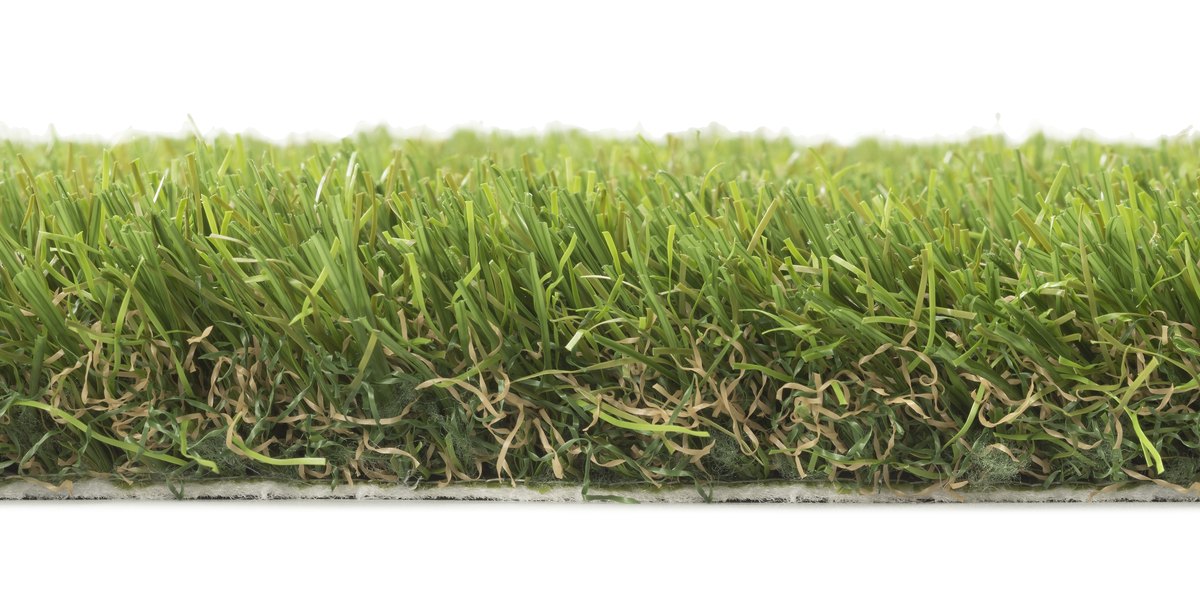
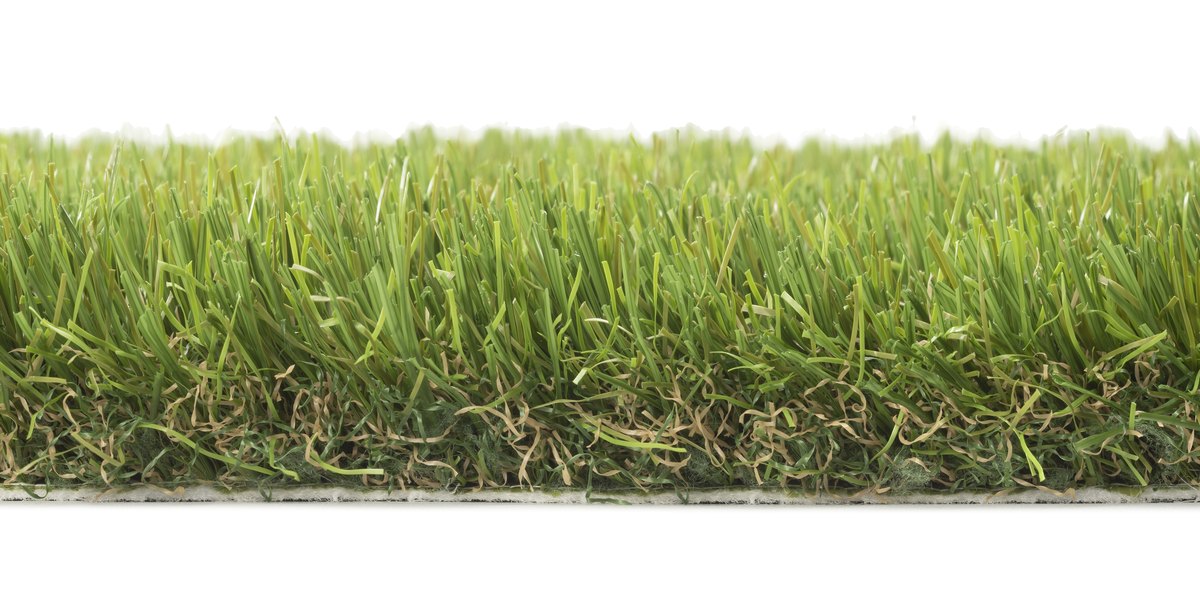
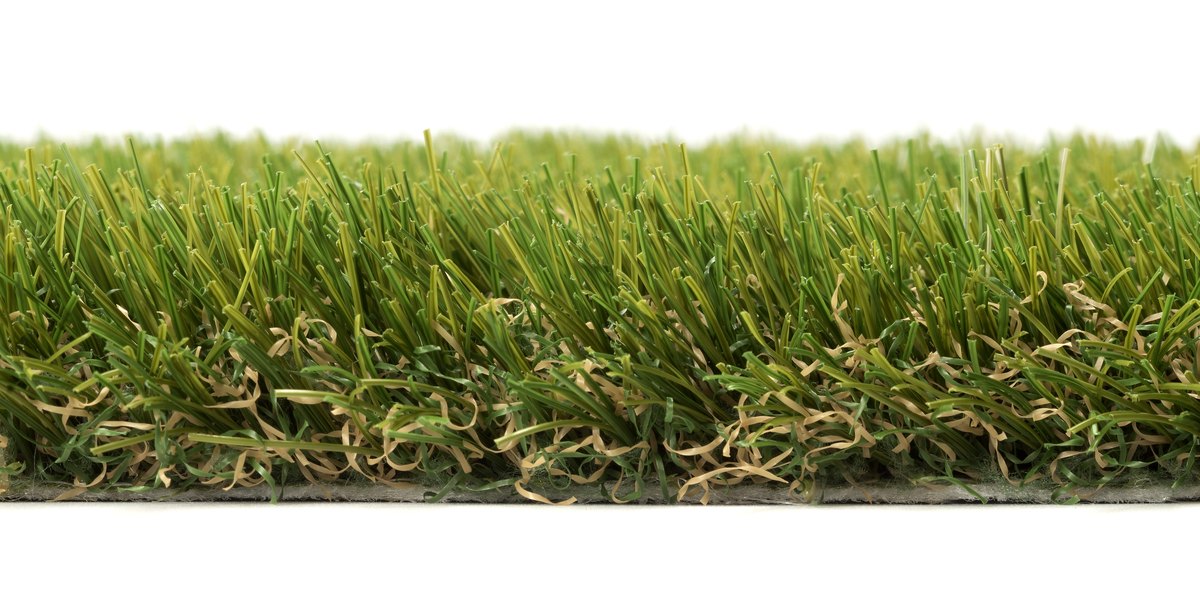
Each is available in 100% PE or 100% PO. A supplier can show you samples and help you choose the pile height. Test results are stated per product on each product page.
Before you specify
Questions worth asking before you buy.
The same questions work for any artificial grass, from any supplier.
Results apply only to the product tested. Ask for the report that matches the lawn you buy.
Is artificial grass suitable for children and pets?
ONE-DNA™ material has been through SGS testing for substances of very high concern, PAHs and the migration of elements to EN 71-3, on the products named in the report. That gives you documented answers for a garden where children play. Ask your supplier for the results for the product you choose, and for care advice if you have pets.
Which pile height should I choose?
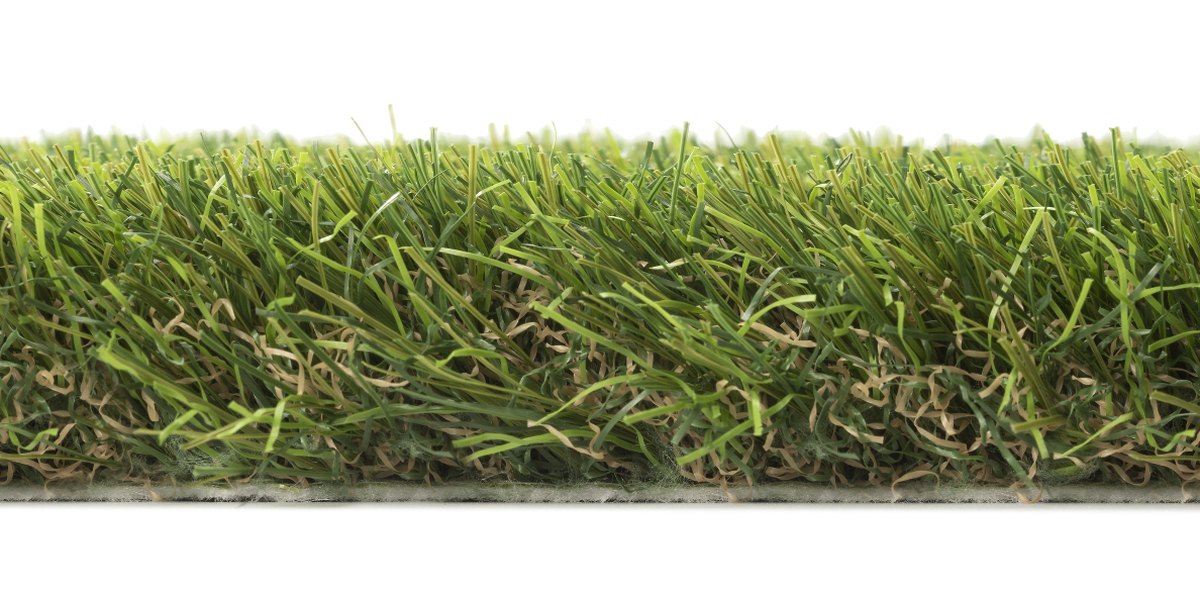
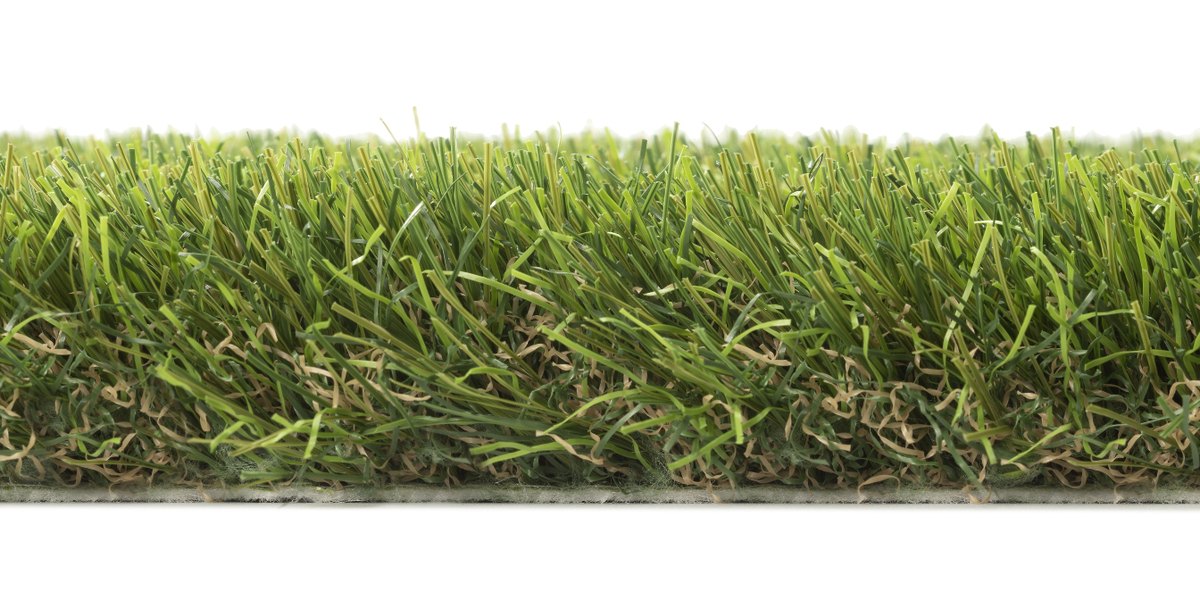
In the garden range, pile heights run from 27 mm (Vista 27) to 45 mm (Elan 45). Longer piles look fuller. Seeing samples side by side is the quickest way to decide.
How long does an artificial lawn last?
That depends on use, installation and care. Ask your supplier what the warranty covers for the product you choose. The ONE-DNA™ warranty terms explain what the warranty includes.
Can ONE-DNA™ artificial grass be recycled?
It is designed for recycling: fibre and backing are joined without a conventional latex or polyurethane coating, and each product follows one material route. Whether a surface is actually recycled depends on removal, collection and the recycling options available at the time. More on end of life →