One of the questions increasingly being asked within the artificial grass industry is what happens to materials after use. The answer depends largely on decisions made at the design stage. ONE-DNA™ was developed around a mono-material polyethylene design. This approach allows material composition to remain simple and transparent, creating opportunities to explore compatibility with existing polyethylene processing infrastructure.
Why material composition matters
Many artificial grass systems consist of multiple material types combined into a single structure. While this can provide specific performance characteristics, it also increases material complexity.
ONE-DNA™ follows a different approach by using a mono-material polyethylene design. As a result, discussions around material handling and processing can focus on a single polymer stream rather than multiple material types.
Project registration and documentation
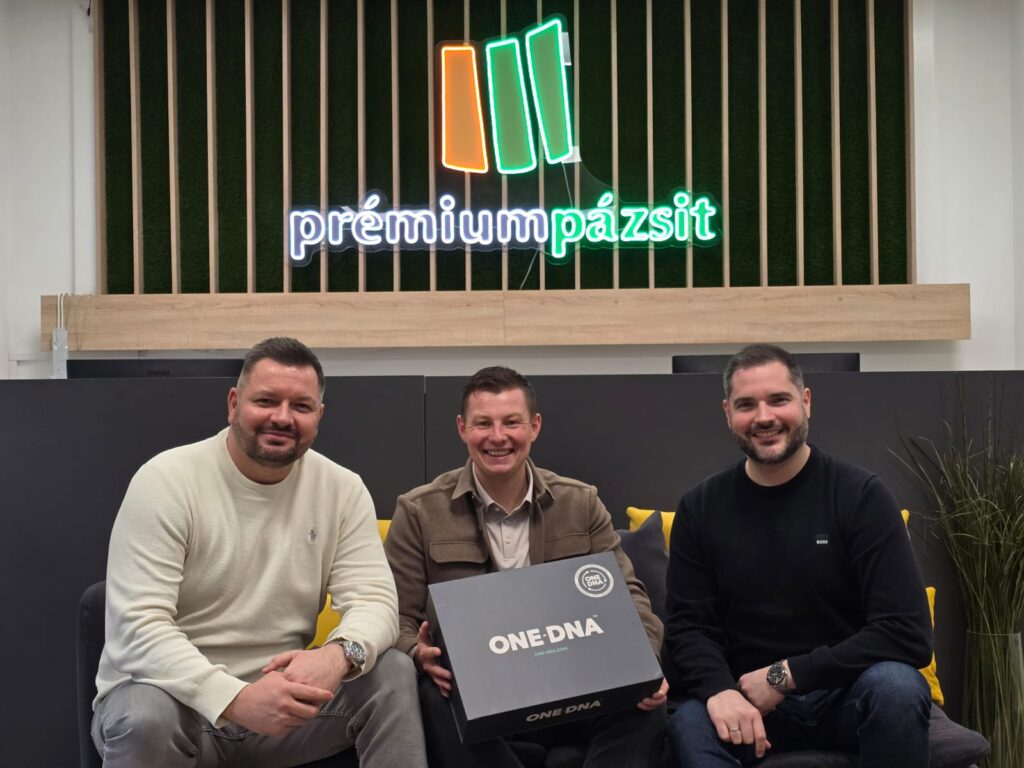
Each ONE-DNA™ installation can be registered through the ONE-DNA™ registration platform. Project registration creates a documented record of the installation and provides access to relevant product and project information.
Following registration, customers receive documentation including warranty information.
Exploring material processing pathways
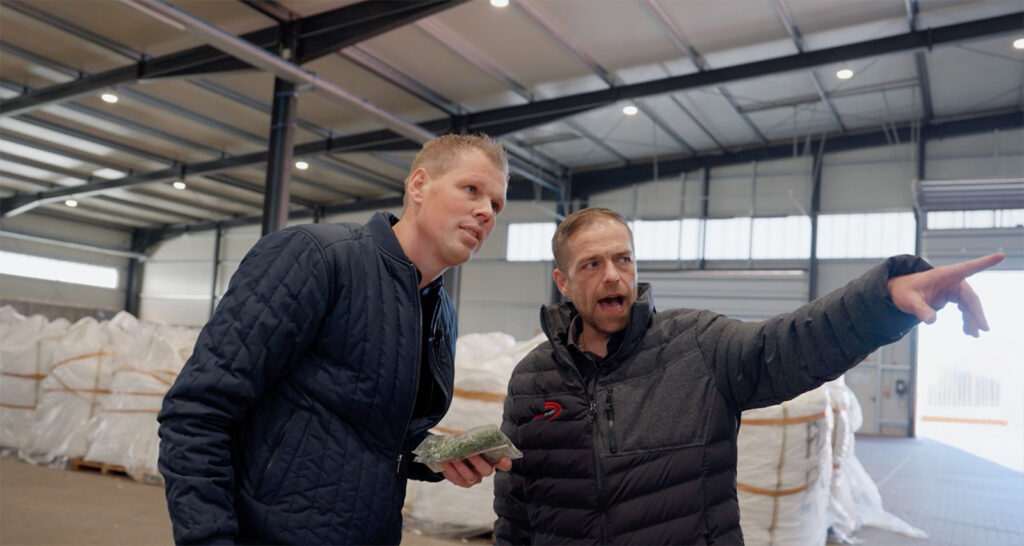
To better understand how mono-material artificial grass behaves within existing polyethylene processing systems, Changemaker Nordic Surface collaborated with Orbit Supply Chain in Stockholm.
Together, the teams evaluated how production offcuts and residual material from ONE-DNA™ products could be processed using established polyethylene recycling equipment.
The trial included shredding, grinding, extrusion and compounding processes commonly used within the plastics industry.
Carl Pahlman, CEO of Orbit, commented:
At Orbit, we help companies identify processing pathways for plastic materials. Our recent trial with ONE-DNA™ showed promising results. The material’s consistency enabled it to be processed using existing polyethylene recycling equipment and evaluated for potential use in a range of manufacturing applications.
Looking ahead
Projects such as this help expand understanding of how material design influences processing possibilities after use.
For ONE-DNA™, the objective remains clear: transparent material composition, documented product information and a mono-material polyethylene design that supports informed decision-making throughout the product lifecycle.
Update, October 2026: this article reflects the ONE-DNA™ range at the time of publication, based on polyethylene (PE). ONE-DNA™ now also includes a 100% PO route; see Technology for the current material routes. Earlier references to a take-back programme have been revised; ONE-DNA™ does not currently operate a take-back programme in any market.
Related: Sustainability · Technology