In collaboration with Tomorrowland, GBN AGR and TenCate, a practical material recovery project was carried out in 2023 using ONE-DNA™ artificial grass. The project looked at how artificial grass could be collected and processed after an event.
Using the take-back program in place at the time, all parties worked together to set up a documented route for material recovery after use.
The challenge
Temporary events often use artificial grass for hospitality areas, walkways and visitor spaces. Traditionally, many artificial grass products contain a combination of materials such as polyethylene (PE), polypropylene (PP), latex or polyurethane-based components.
At end-of-life, these mixed-material constructions can create processing challenges because different materials may require separation before recycling. Depending on the product composition and available recycling routes, this can limit the range of potential applications for the recovered material.
The project
In July 2023, approximately 7,000 m² of ONE-DNA™ artificial grass, made in 100% PE (one polymer), was installed within the Tomorrowland Comfort Zones. The installation was carried out by the Tomorrowland team as part of the festival preparations.
The project was designed to evaluate what would happen to the material after the event had concluded.
Collected and recycled
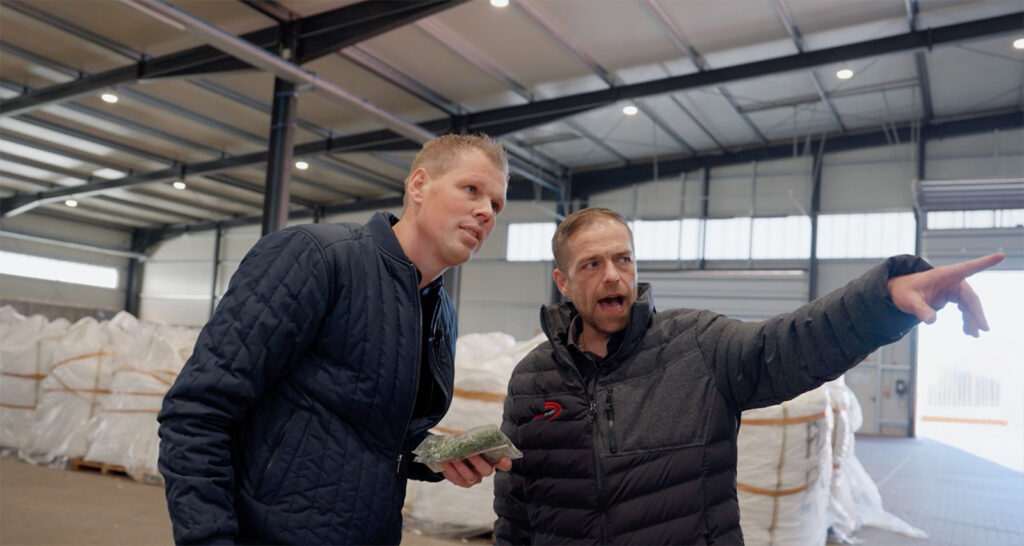
After the festival, the ONE-DNA™ artificial grass was collected and recycled. GBN AGR processed the material into polyethylene agglomerate, which was supplied to TenCate and used again in high-grade applications.
Alongside this, TenCate Grass carried out trials in which new yarn was produced from collected artificial grass. These yarn trials are a separate step from the recycling and reuse described above.
Why it matters
The Tomorrowland project shows what becomes possible when event organizers, installers, recyclers and manufacturers work together, and when the artificial grass is made from one polymer from the start: a clean material stream that a recycler can process and a manufacturer can use again.
Update, October 2026: this article describes the situation at the time of publication (November 2023) and reflects the ONE-DNA™ range of that time, based on polyethylene (PE); see Technology for the current material routes. ONE-DNA™ does not currently operate a take-back program.
Read about the Tomorrowland pilot.
Related: Events · Environmental impact